Water damage: identify the source before assuming the policy
Leaks, runoff and damage to neighbours require different factual and insurance questions.
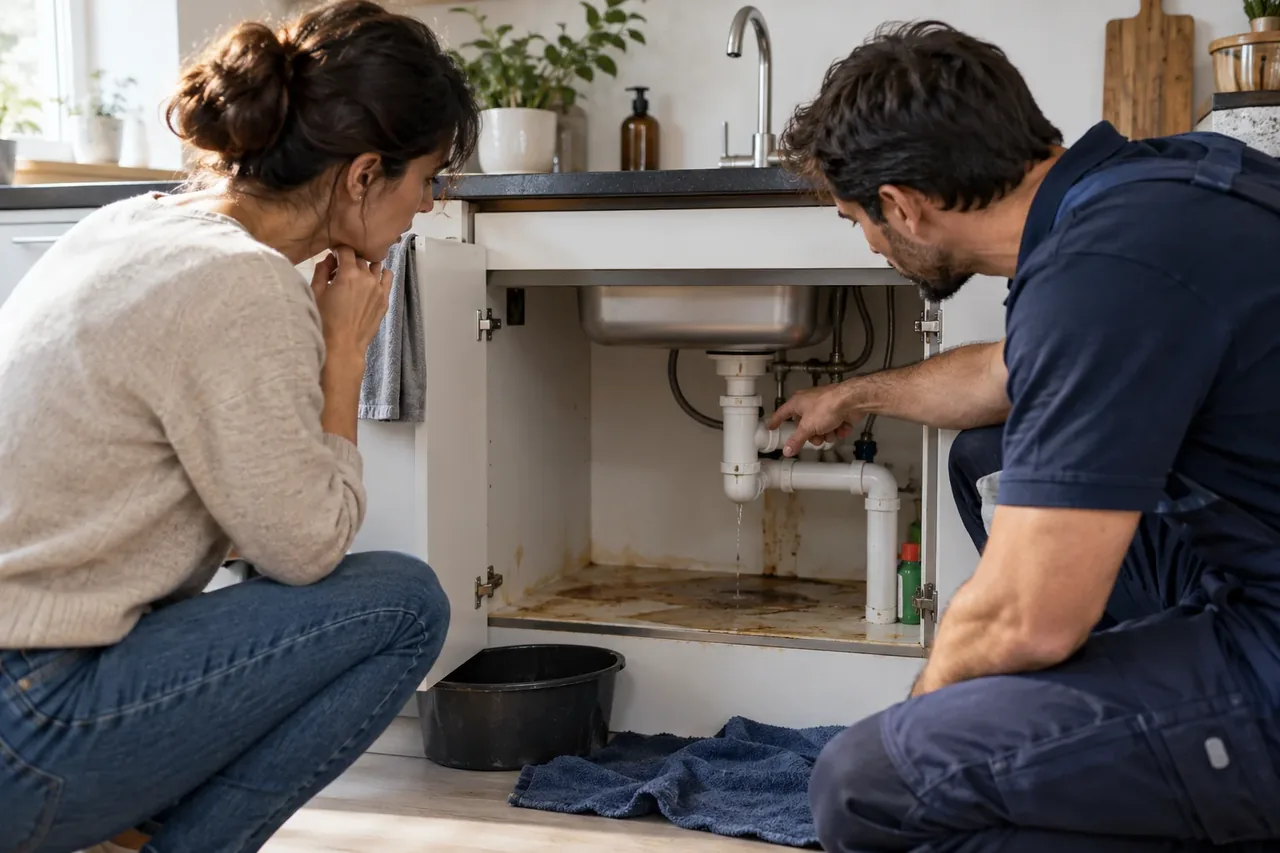
The word water is not enough
A burst pipe, rain entering a property and surface runoff can produce similar visible damage while raising different contract questions. Establish the source, sequence and affected property without delaying safety measures. Ask the insurer how each scenario is classified and which exclusions apply. Do not assume every wet room is a standard water claim or every flood is a natural-hazard event. The classification should follow evidence and the applicable terms rather than the first description given in a stressed phone call.
Separate the damaged assets
Contents, building elements and neighbouring property may involve different counterparties. List furniture, personal electronics, fixed installations and any third-party damage separately. Tenants should notify the landlord or manager as well as the relevant insurer. Owners need to review building cover instead of assuming the contents policy pays for walls and structural repairs. Ask who coordinates inspection and drying. A joined-up response prevents duplicated work and avoids discarding evidence needed to establish the cause or allocate responsibility.
Hypothetical cellar loss
Imagine CHF 8,000 of stored possessions damaged after water enters a cellar. Before estimating reimbursement, the household needs the cause, location conditions, item limits and deductible. A CHF 10,000 overall sum for storage would not itself settle the event classification or prove every item eligible. These invented figures describe a review process, not a settlement. Record the inventory and photograph safely; do not risk entering contaminated water or an electrical hazard just to obtain evidence.
Use hazard information intelligently
The FOEN surface-runoff map is useful for asking better questions about a property’s exposure, but it is not a guarantee that an unmarked location is safe. The authority explains limitations and the need for site validation before planning protective measures. Use it alongside local information and professional inspection. Review basement storage and entry points with the owner or manager. Avoid turning an indicative map into an insurance coverage promise: hazard assessment and contractual compensation remain separate questions.
Prevention and reporting work together
Raise vulnerable stored belongings where appropriate and maintain installations according to professional guidance. Keep emergency shutoff information and contact numbers accessible. After an event, take reasonable safe steps to prevent further damage and follow reporting instructions. Do not undertake major non-emergency repairs without clarifying approval and evidence needs. RTS’s reporting on climate-related losses provides context for prevention; it does not establish coverage. A prevention plan should remain useful even for a loss the policy excludes.
Review cover with actual exposure
Compare event definitions, excluded causes, storage conditions, deductibles and response services using your property’s actual features. Check natural-hazard and water modules separately rather than assuming they overlap perfectly. Retain inspection findings and written insurer responses. The best outcome is a household that understands where prevention helps, which institution handles each asset and what remains unfunded. That is more useful than a broad claim that a policy covers flooding, especially when the source of water and location can change the contractual response.
Sources and further reading
Original Clearwise analysis. External reporting provides context; rules and contract terms must be verified with the competent authority or provider. Some press articles may require a subscription.
Apply this to your situation
Compare your actual documents and clarify what matters before making a commitment.
Request a free consultationGeneral guidance, not a binding quote or personalised legal, tax or investment advice. Examples are hypothetical and results are not guaranteed.