Jewellery and electronics: the overall insured sum can hide small limits
Read sublimits, accidental damage, proof and security before assuming expensive possessions are fully covered.
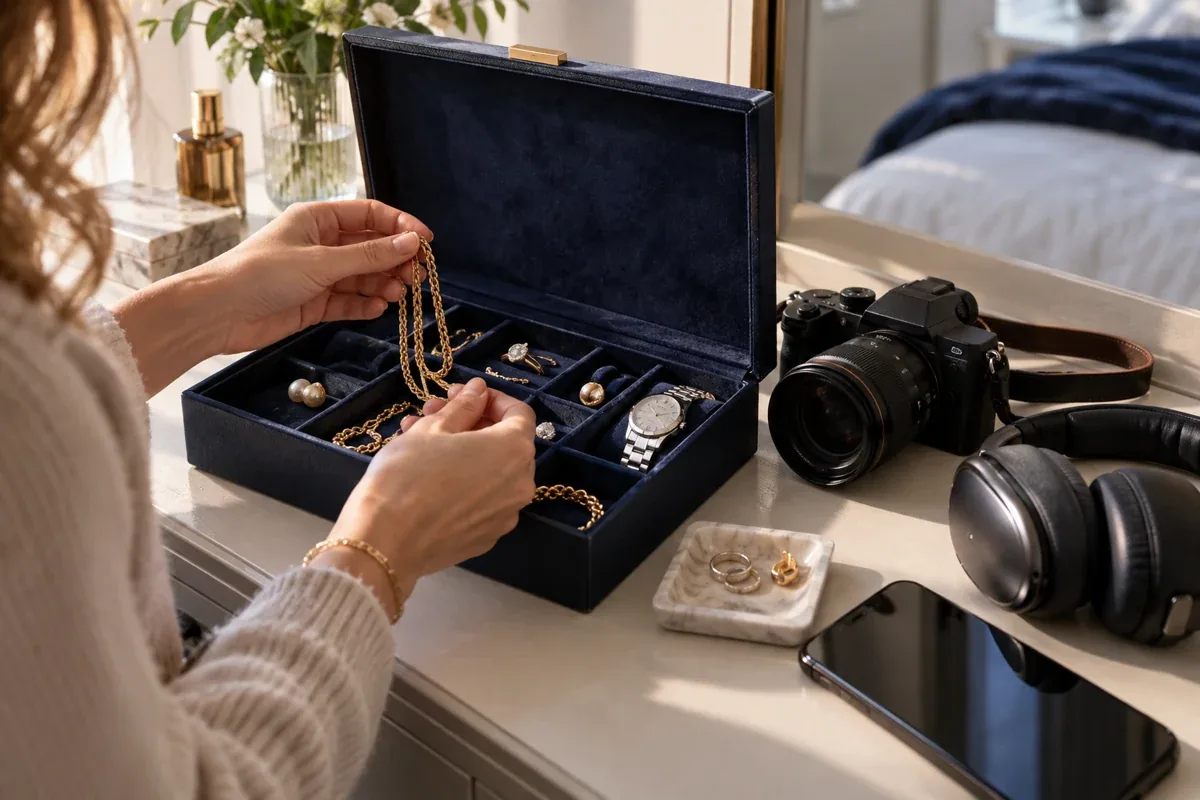
The item limit can govern the claim
A household policy’s overall sum is not the same as the amount available for every valuable category. Ask about jewellery, watches, collections and electronics separately. Check whether limits apply per item, event or year and whether location changes them. A policy with a high headline amount can still leave a specific possession partly unfunded. Compare the value actually at risk with the contractual limit rather than assuming a large combined sum solves every high-value need.
Separate theft from breakage
Theft, accidental damage, unexplained disappearance and wear are different scenarios. Ask for a written explanation of each relevant event. Own accidental damage may need a dedicated option, and all-risk wording still has exclusions. For electronics, distinguish device replacement from recovering data, subscriptions and business interruption. A broken personal laptop and employer equipment can involve different ownership and contract questions. Avoid purchasing broad cover without identifying which incident is financially important and which cost you could reasonably pay yourself.
Hypothetical jewellery sublimit
Imagine CHF 18,000 of jewellery and a hypothetical policy limit of CHF 7,000 for the relevant circumstances. The CHF 11,000 difference is an exposure to review before applying any deductible or event restriction. It is not a guaranteed claim shortfall because eligibility and valuation remain unresolved. These invented figures explain the method, not an insurer’s wording. Ask whether separate item cover, a revised limit or different storage would address the identified need and at what total cost.
Keep credible valuation evidence
Store invoices, serial numbers, photographs and appropriate appraisals away from the insured possessions. Ask how often a valuation needs updating and whether an agreed-value arrangement exists for the item. Market price, purchase price and sentimental value are not automatically the same settlement basis. If an item is inherited or received as a gift, obtain the evidence the insurer accepts before a loss. A detailed description helps identify an object but does not replace proof of the value claimed.
Check travel and security conditions
Describe how valuables are carried, stored in hotels, left in vehicles or kept in a safe. Territorial and security conditions can materially change protection. Do not infer worldwide cover from a domestic policy’s summary. Check unattended-property rules and any required safe specification with the insurer. If another travel or card arrangement overlaps, ask about coordination rather than assuming duplicate payment. Practical prevention should be compatible with daily use; a condition the household cannot follow is not a useful promise.
Choose the residual loss you can bear
Compare premiums, limits, deductibles and restrictions on the same item and scenarios. A small accidental loss may be affordable while theft of a valuable collection is not. Select extensions around that distinction and document the decision. Update after purchases, gifts, inheritance or a change in storage. The goal is understood protection with credible evidence and workable prevention, not the illusion that a large household sum or an impressive product label automatically pays for every precious possession and every kind of damage.
Sources and further reading
Original Clearwise analysis. External reporting provides context; rules and contract terms must be verified with the competent authority or provider. Some press articles may require a subscription.
Apply this to your situation
Compare your actual documents and clarify what matters before making a commitment.
Request a free consultationGeneral guidance, not a binding quote or personalised legal, tax or investment advice. Examples are hypothetical and results are not guaranteed.