Make your household claim-ready before the incident
A simple evidence and response plan can matter as much as comparing the next annual premium.

Prepare for a stressful day
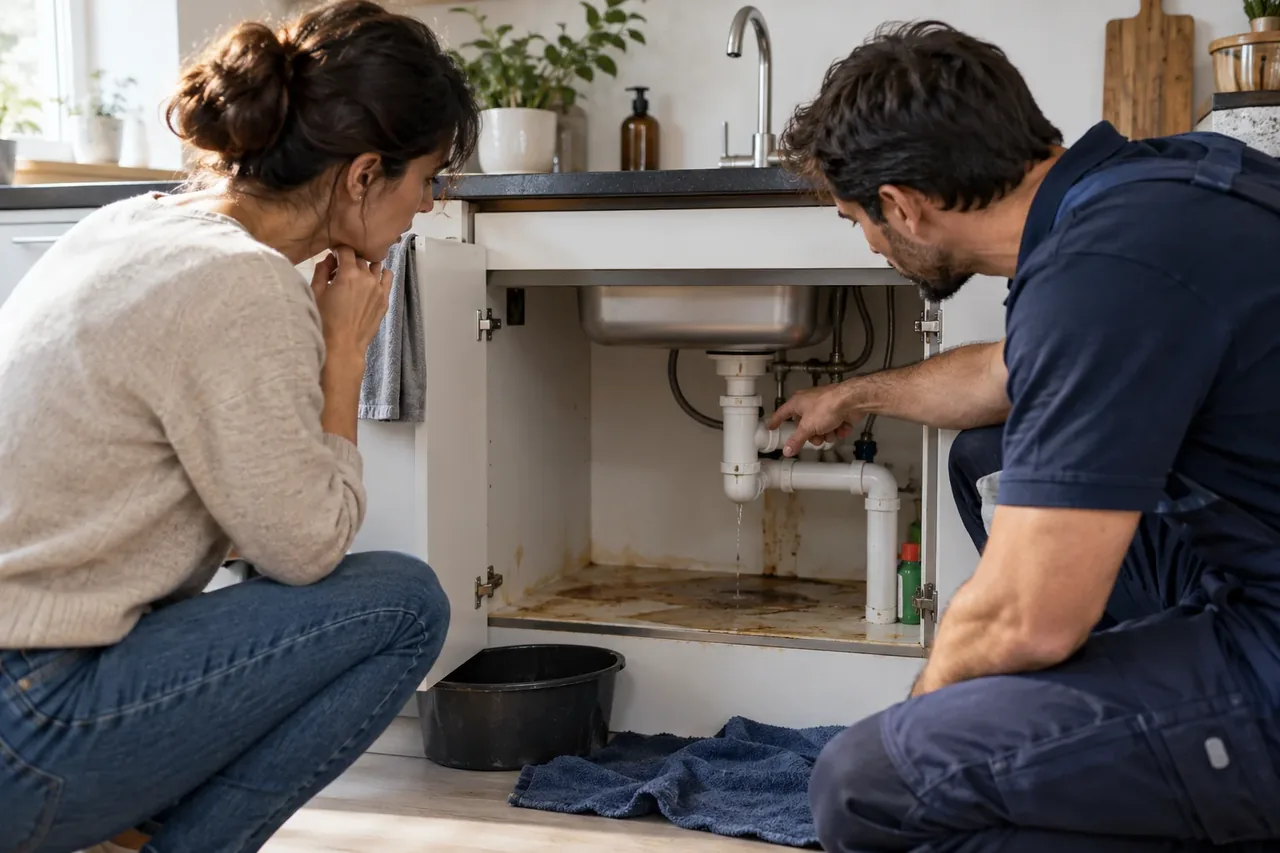
After theft, fire or water damage, the household may have little time and incomplete access to documents. Create a short response file before anything happens. Include emergency contacts, insurer references, the inventory location and who can help if you are unavailable. Keep safety instructions first: personal protection takes priority over photographs or possessions. The file should be usable from another device or by another household member, not trapped behind the password of the computer most likely to be damaged.
Evidence should survive the loss
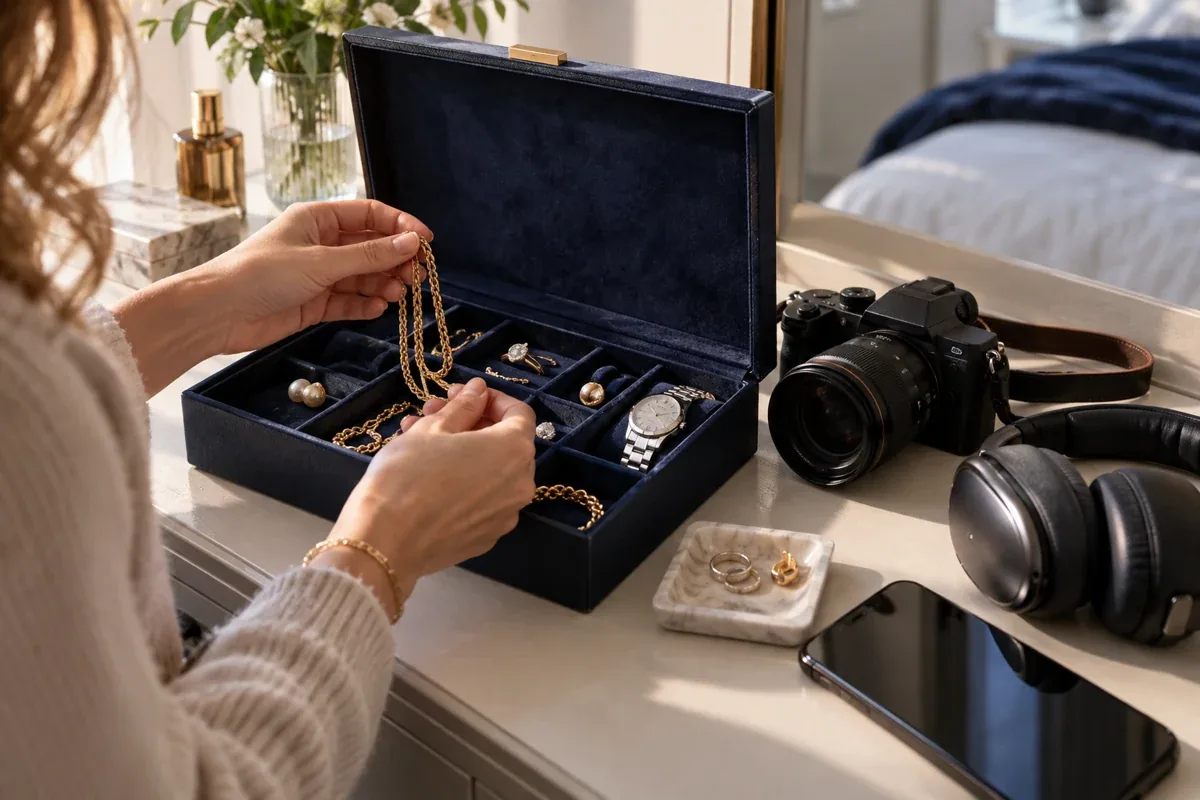
Store dated photographs, important invoices and serial numbers separately from belongings. Keep an updated summary rather than relying only on memory. For a rental, preserve condition reports and communications; for high-value items, keep accepted valuations. Record what each document demonstrates without overstating it. A photograph shows an object existed but may not establish ownership or settlement value alone. Ask the insurer which evidence is useful and retain relevant originals securely, with access limited to the people who actually need them.
Hypothetical missing evidence
Imagine a CHF 6,000 hypothetical theft loss, with invoices stored only on the stolen laptop. Reconstructing the claim now requires retailer records and other evidence. If a secure independent copy existed, the administrative burden would be lower. These invented figures establish no insurer payment or proof requirement. The example explains resilience: protect documentation from the same event as the property. Review the most valuable and hardest-to-reconstruct categories first instead of attempting perfect records for every inexpensive household object.
Report facts and reduce damage safely
Follow the policy’s reporting instructions and use emergency services where needed. Describe what is known, preserve the sequence and label uncertainty. Take safe measures to prevent further loss while asking about approvals for major repairs, replacement or disposal. Do not fabricate missing details to make a narrative sound complete. Record the claim reference, documents sent and next requested action. If police or another authority report is relevant, obtain the required process guidance rather than assuming an insurer notification replaces it.
Read the settlement rather than guessing
Ask for an explanation of accepted items, valuation, limits, deductibles and excluded costs. Reconcile the proposal with your inventory and receipts. A replacement purchase made without checking approval can create a dispute about scope, so clarify before spending where circumstances allow. If the outcome is unclear, ask for the contractual basis and use the appropriate complaint or mediation channel. FINMA points consumers toward relevant contacts; it does not serve as an automatic substitute for resolving the individual claim with the insurer.
Learn from the completed case
Once resolved, keep the outcome and update the inventory, prevention measures and cover where necessary. An uncovered loss reveals a decision to reconsider, not always a reason to buy every optional extension. Compare the cost of protection with the loss the household can bear and retain a practical reserve. A claim-ready home combines understandable contracts, surviving evidence and a safe response plan. This turns insurance from a document renewed annually into an arrangement the family can actually use when an incident occurs.
Sources and further reading
Original Clearwise analysis. External reporting provides context; rules and contract terms must be verified with the competent authority or provider. Some press articles may require a subscription.
Apply this to your situation
Compare your actual documents and clarify what matters before making a commitment.
Request a free consultationGeneral guidance, not a binding quote or personalised legal, tax or investment advice. Examples are hypothetical and results are not guaranteed.