An expensive bicycle needs more than the words “theft covered”
Compare location, insured value, locking requirements and overlapping bicycle protection.
Location changes the question
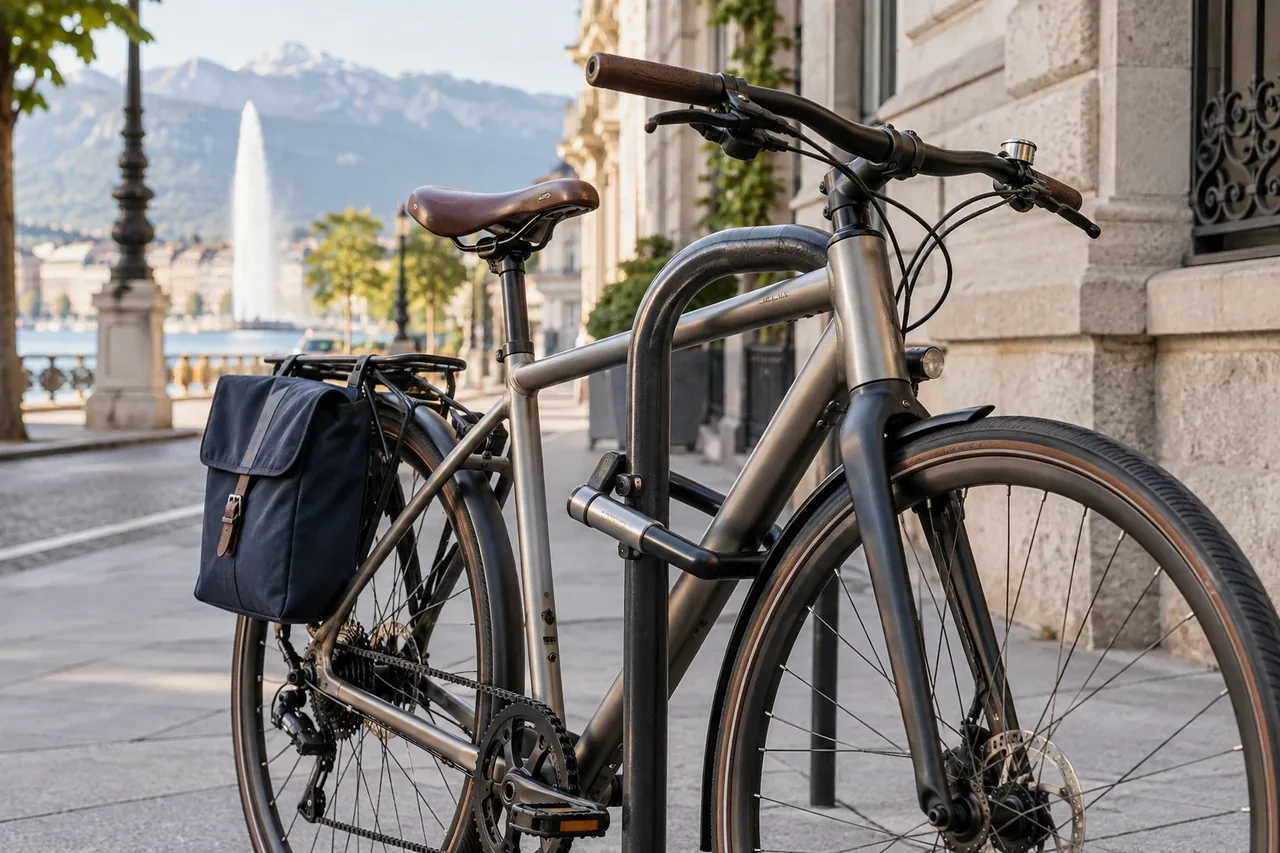
Theft at home, in a shared bicycle room and away from home can be treated differently. Describe how and where the bicycle is stored, and read the insured-event definition for each setting. Ask whether simple theft away from home requires an extension. Do not assume every disappearance is theft under the contract: unexplained loss, an unlocked bicycle and theft of accessories can have different conditions. An accurate scenario is more useful than asking whether the insurer generally covers bikes.
Price the gap, not just the premium
Compare the item’s eligible value with the limit, deductible and settlement method. An overall contents sum may be large while outside-the-home theft has a much smaller ceiling. Ask whether age affects payment and how repair, replacement or a cash settlement works. Compare bicycle-specific cover with a home extension using the same bicycle and events. Include accidental damage or assistance only if useful; a theft comparison should not conceal unrelated extras inside an apparently equivalent package.
Hypothetical uncovered balance
Imagine a CHF 4,500 bicycle and a hypothetical extension paying at most CHF 2,000, with a CHF 200 deductible deducted from that amount. On those stated assumptions, the payment would be CHF 1,800 and CHF 2,700 remains unfunded. Actual limit and deductible interaction depends on wording, so request confirmation. The figures are invented and do not describe any provider. The useful comparison is the residual loss your household would bear, not merely the annual cost of the extension.
Document ownership and security
Keep the invoice, frame number, photographs and any accessory list. Read locking and storage requirements and use security that fits both practical risk and the contract. Record an electronic-bike classification accurately rather than assuming all models have identical insurance treatment. If registration or another legal requirement applies, confirm it with the competent authority. A policy does not replace ordinary theft prevention. Do not leave the only ownership evidence in a bag attached to the bicycle you are trying to protect.
Coordinate overlapping contracts
A bicycle arrangement, household extension and card benefit may overlap. Declare other relevant cover when reporting a loss and ask how providers coordinate payment. Do not assume three contracts produce three full reimbursements. Compare the claim process and assistance services as well as limits. If one policy expects notification to another insurer first, understand that sequence before an incident. Retain the actual policy terms rather than relying on a card’s marketing summary or an outdated web page.
Review after buying or upgrading
Revisit cover after a more expensive purchase, added equipment or changed storage location. Test theft at the places you actually use and ask for written confirmation of unresolved limits. RTS’s bicycle-insurance discussion is useful background, while the insurer’s contract determines your individual cover. A sensible choice combines adequate residual-loss protection with practical prevention and an understandable claim process. It does not need every available option, but it should not leave a large investment dependent on an assumed home-insurance ceiling.
Sources and further reading
Original Clearwise analysis. External reporting provides context; rules and contract terms must be verified with the competent authority or provider. Some press articles may require a subscription.
Apply this to your situation
Compare your actual documents and clarify what matters before making a commitment.
Request a free consultationGeneral guidance, not a binding quote or personalised legal, tax or investment advice. Examples are hypothetical and results are not guaranteed.