Parking damage and glass: compare definitions before buying the add-ons
An unexplained mark on a parked vehicle does not identify the insured event by itself. Coverage can depend on cause, whether the responsible person is known and the precise parts damaged.
The question that matters
An unexplained mark on a parked vehicle does not identify the insured event by itself. Coverage can depend on cause, whether the responsible person is known and the precise parts damaged.
Build the evidence
Record where and when the vehicle was parked, photographs, any witness details and surrounding evidence. Separate a dent caused by another vehicle from vandalism or your own manoeuvre. Read the contract’s treatment of glass, lights, mirrors and sensors.
A hypothetical case
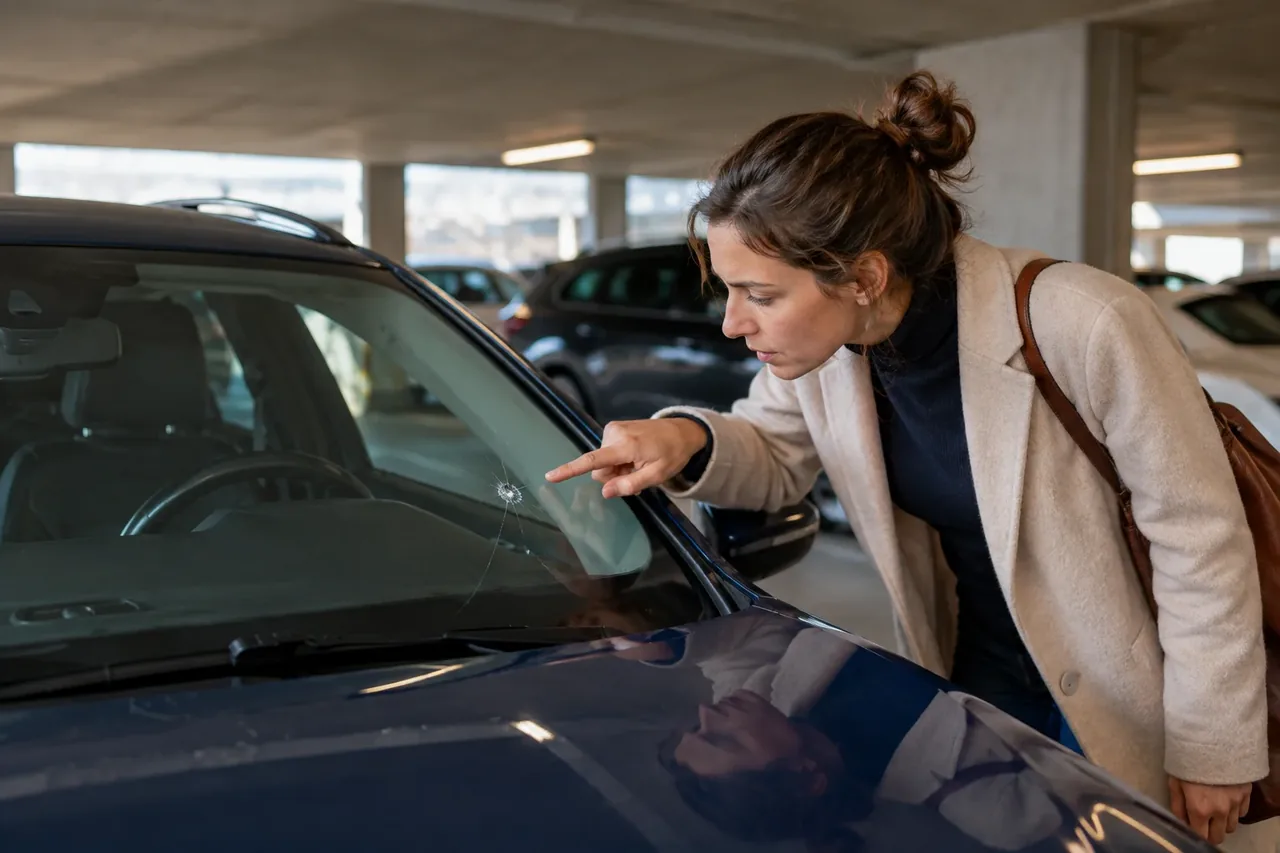
Imagine a cracked windscreen and a damaged camera requiring calibration. The glass benefit may not automatically answer every associated cost. An illustrative parking scratch likewise needs classification rather than immediate assumption that the parking option pays.
Compare the right conditions
Compare claim limits, annual event counts, deductibles, covered parts and required repair methods. Ask whether headlights or panoramic roofs need an extension, and whether calibration or replacement mobility is included. Use the same scope when pricing options.
Limits and uncertainties
Product names vary across providers and some losses fit another coverage layer. Taking out an option after discovering damage does not make the existing loss covered. Repair authorisation and evidence requirements still apply.
Classify the event before the option
An unidentified parking dent, deliberate vandalism and damage caused while you manoeuvre can produce similar-looking repairs while raising different contract questions. Write the facts without choosing the most convenient label. Photographs, time, location and witnesses help the insurer classify the event; they do not replace the policy definition. For glass, ask specifically about windscreen, roof glass, lights and sensors. The TCS page lists a distinct lights-and-assistance-systems option, illustrating why naming the parts matters; do not apply that offer’s structure automatically elsewhere. Have the repairer separate replacement glass, calibration, sensors and unrelated pre-existing damage in the estimate. A lump-sum repair quotation can obscure which portion is eligible. If the cause is uncertain, mark it uncertain rather than inventing a collision description. This approach protects the quality of the evidence and produces a more reliable benefit comparison before the next renewal.
Calculate frequency, ceiling and deductible together
Consider a fictional parking option with a CHF 2,000 limit and a repair estimate of CHF 2,600. Before asking about any deductible, the cap alone leaves CHF 600 outside that benefit. If the offer instead limits the annual number of events, a second dent may raise a different question even when both repairs are small. These examples are invented structures, not descriptions of every insurer. Ask whether the limit is per event, per year or for the vehicle’s lifetime, and whether related marks count together. For an expensive sensor-equipped windscreen, request the full calibrated repair cost rather than comparing glass alone. Put the additional premium beside the uninsured remainder and your actual parking environment. Buying an option is a transfer of specified risk; it should not encourage assuming every cosmetic mark is payable. Keep inspection and repair approvals with the final itemised invoice.
Your practical next step
Request written examples using your vehicle’s actual equipment. After a loss, photograph promptly and ask the insurer about inspection before repair. Keep the estimate itemised so covered and uncovered work can be distinguished.
Sources and further reading
Original Clearwise analysis. External reporting provides context; rules and contract terms must be verified with the competent authority or provider. Some press articles may require a subscription.
Apply this to your situation
Compare your actual documents and clarify what matters before making a commitment.
Request a free consultationGeneral guidance, not a binding quote or personalised legal, tax or investment advice. Examples are hypothetical and results are not guaranteed.