Electric cars: distinguish battery damage, degradation and charging equipment
A battery, charging cable and wallbox are different assets with different failure modes. An “electric car” label does not tell you whether accidental damage, internal failure or ordinary capacity loss is insured.
The question that matters
A battery, charging cable and wallbox are different assets with different failure modes. An “electric car” label does not tell you whether accidental damage, internal failure or ordinary capacity loss is insured.
Build the evidence
List the vehicle battery, owned or leased status, home charger and portable accessories. Keep purchase documents and warranty terms. Separate manufacturer support from insurance: a warranty question should not be assumed to be a covered accidental event.
A hypothetical case
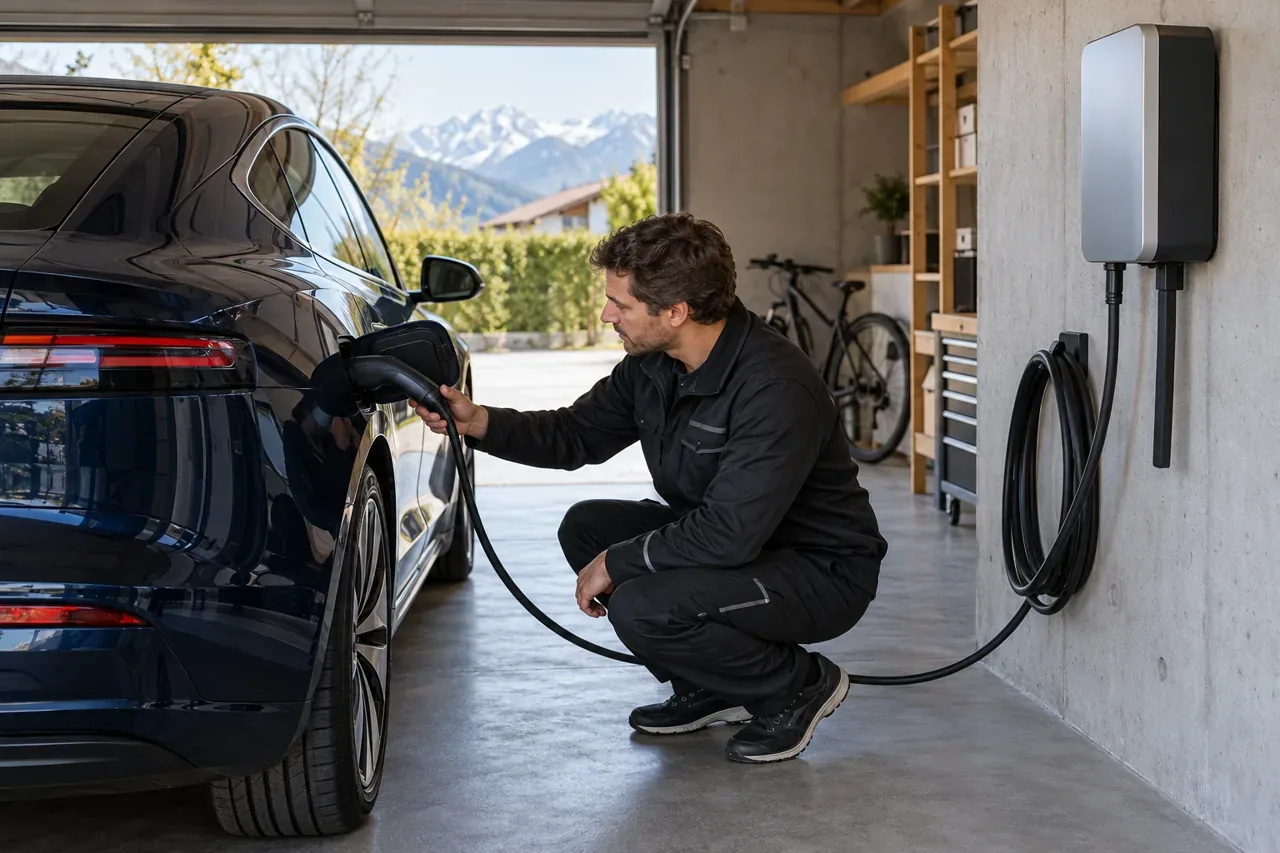
Imagine a damaged charging cable, a wallbox harmed by an external event and gradually reduced battery range. These are three different situations. The illustration highlights why a single question about “battery cover” is too broad.
Compare the right conditions
Compare battery-event definitions, charger location, theft, accessories, deductibles and maximum amounts. Ask how claims interact with warranty work and whether third-party charging equipment is included. Request the clause for any unusual capacity-loss benefit.
Limits and uncertainties
Provider extensions differ, and ordinary wear or degradation should not be treated as insured without express confirmation. The location and ownership of a charger can bring another policy into the discussion, such as building or household cover.
Build an asset-and-event matrix
Put the traction battery, portable cable, home wallbox and any leased component on separate rows. For each, list accidental impact, theft, an electrical incident and progressive loss of performance as different questions. Identify the owner and location, then mark whether the proposed answer comes from warranty, vehicle insurance or another contract. AXA’s provider page illustrates that electric extensions can address particular equipment, but a branded package does not establish universal protection. A communal charger may belong to the building or operator rather than the driver. Ask who would notify the loss and who receives compensation. Keep installation costs and associated building work visible for a wallbox. If the equipment is financed or rented, obtain the owner’s requirement before assuming that your ordinary vehicle policy satisfies it. This matrix turns the vague phrase battery cover into questions that an insurer can answer with actual clauses.
Separate safe diagnosis from coverage assessment
A shorter driving range is evidence to investigate, not proof of an insured accident. Ask an appropriately qualified service provider to distinguish ordinary performance change, a warranty fault and damage after a particular event. Do not open high-voltage components yourself to improve the claim file. Preserve the dates, warning messages and service reports, and contact the relevant warranty or insurer channel. If a battery requires replacement, ask how age, valuation and the deductible are handled under the specific benefit. Compare towing and charging-related assistance separately from repair reimbursement: a useful rescue service does not prove the battery itself will be paid for. Before changing cover, consider replacement mobility while a specialised part is unavailable. The real risk may include a long delay as well as a repair cost. Record what remains uncertain instead of treating all electric-car problems as one insurable category.
Your practical next step
Obtain a written equipment coverage map before purchase. Keep warranty and insurance contacts distinct, and document damage without unsafe inspection of high-voltage components. Revisit the map when installing a charger or changing battery ownership arrangements.
Sources and further reading
Original Clearwise analysis. External reporting provides context; rules and contract terms must be verified with the competent authority or provider. Some press articles may require a subscription.
Apply this to your situation
Compare your actual documents and clarify what matters before making a commitment.
Request a free consultationGeneral guidance, not a binding quote or personalised legal, tax or investment advice. Examples are hypothetical and results are not guaranteed.