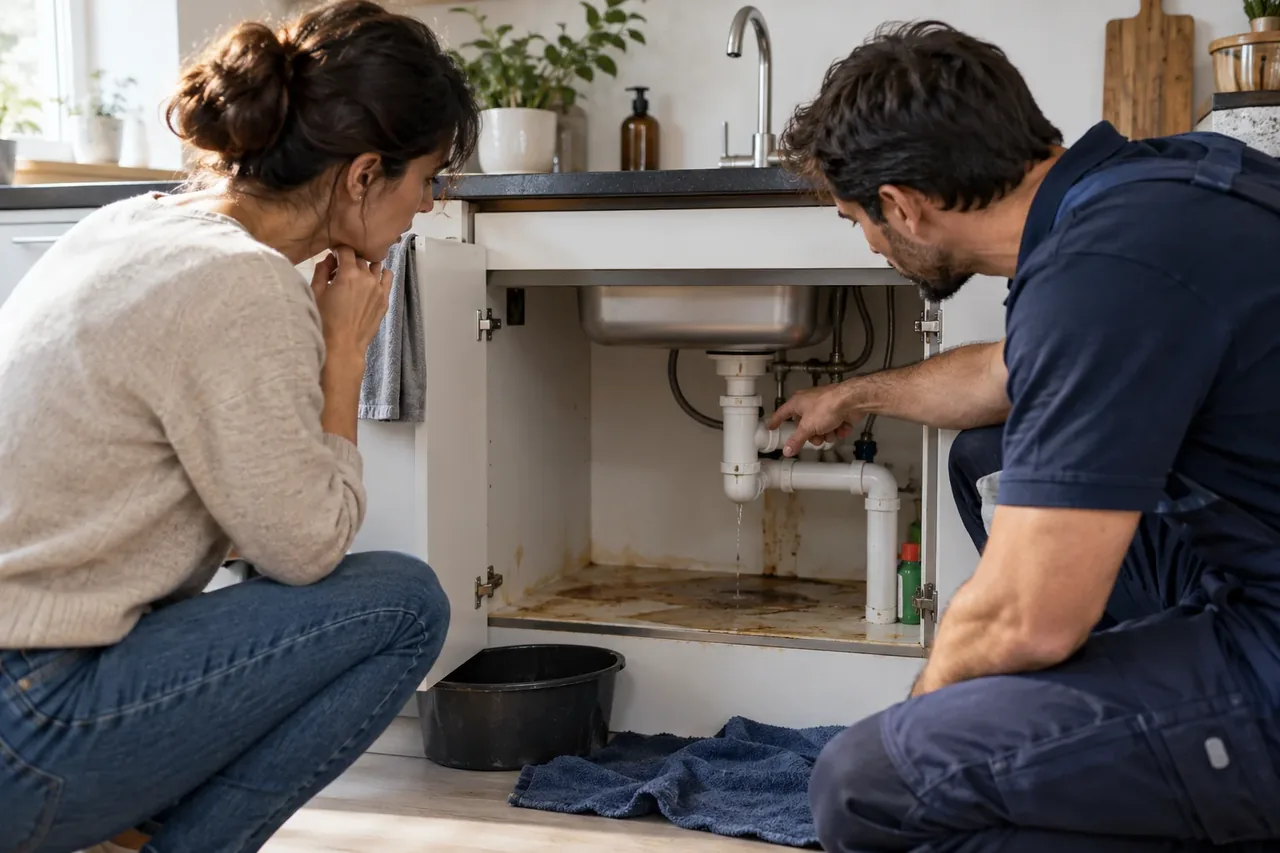
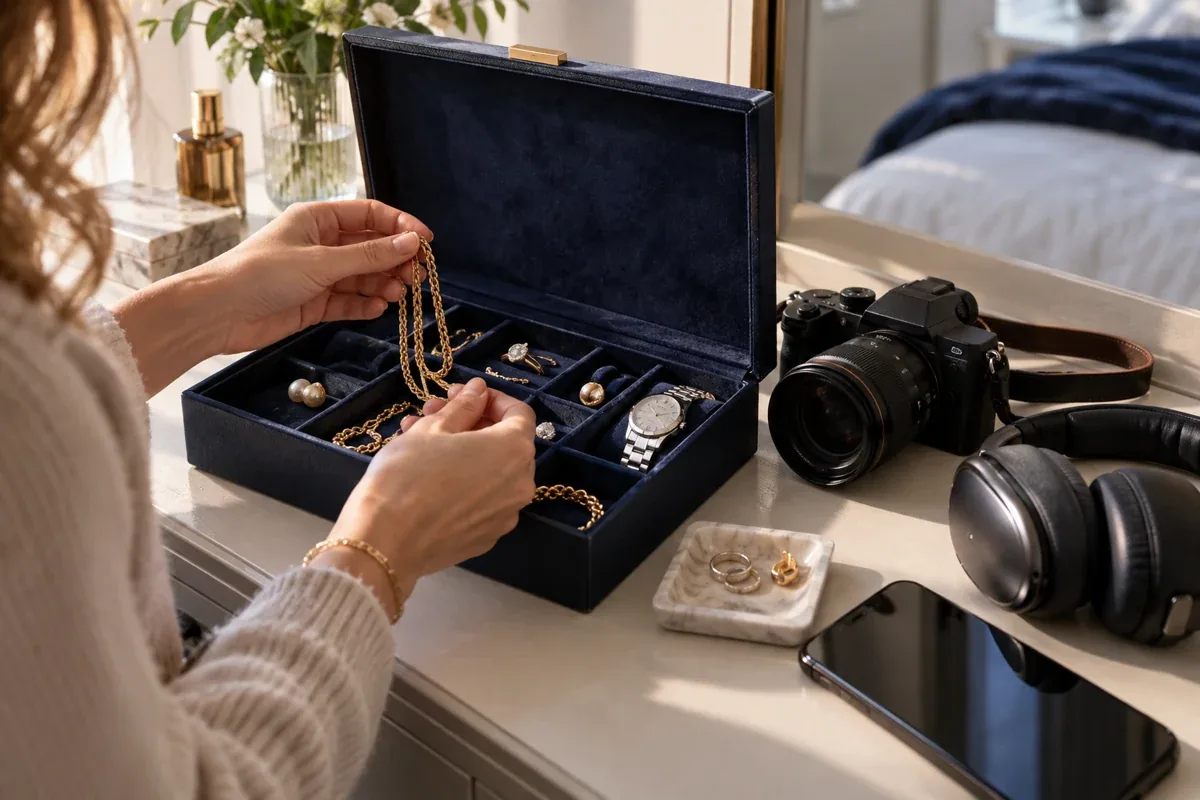
Borrowed belongings: distinguish accidental damage, loss and ordinary wear
A borrowed drill or camera is not automatically insured in the same way as your own property. Clarify responsibility and the applicable extension.
The friendly loan still deserves a clear agreement
Borrowing a neighbour's tool feels informal until it breaks. At that point, ownership, condition, use and insurance all matter. Do not assume your home-contents policy pays because the object was in your house, or that private liability always pays because it belongs to someone else. Swiss contractual and liability rules provide the legal framework; the actual policy decides the insured scope. The source review on 14 October 2026 includes an insurer's example of entrusted-object cover, not a promise that every Swiss policy has identical benefits. The practical goal is to make a loan understandable before a disagreement occurs.
Identify what happened and what was borrowed
Record the item, owner, agreed use and condition at handover. Distinguish an accidental break from loss, theft, mechanical failure or normal wear. A borrowed car, professional machine or rented device may need a different extension from an ordinary household object. Also check whether the owner and borrower belong to the same insured household: internal claims can be treated differently. Ask your insurer for the applicable provision, exclusions, limit and deductible. A vague telephone statement that third-party property is covered should be followed by confirmation for the type of object and use you actually have in mind.
A hypothetical repair, not a replacement promise
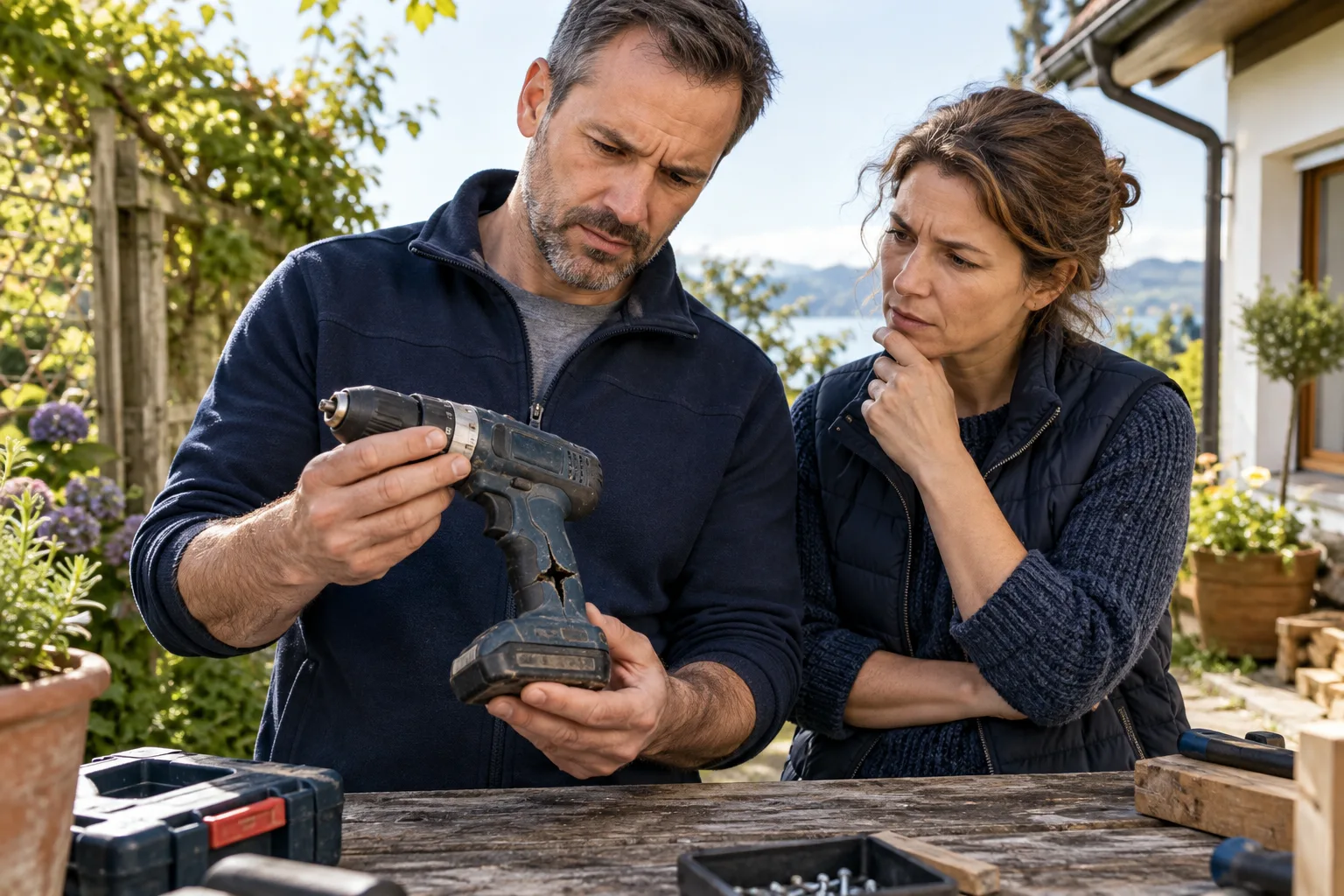
Imagine you borrow a two-year-old drill bought for CHF 400 and accidentally crack its handle. A repair quotation is CHF 120. The owner asks for a new CHF 500 model. These three amounts are not interchangeable. The relevant compensation can depend on responsibility, repairability and value immediately before the damage; the deductible and policy scope come afterwards. If an illustrative covered settlement were CHF 120 with a CHF 100 deductible, only CHF 20 would remain for the insurer to pay. That arithmetic is not a determination of cover. Keep the object and obtain the insurer's direction before approving repair or replacement.
Avoid turning goodwill into an uninsured guarantee
It is reasonable to apologise and explain the facts without signing an unconditional promise to replace everything as new. A private arrangement may preserve a friendship, but a voluntarily assumed obligation can exceed what law or insurance would otherwise require. Conversely, refusing any conversation because insurance is involved can make a small issue needlessly hostile. Tell the owner that you will report the event and cooperate with the assessment. Borrowing instead of buying saves storage and money; for expensive or specialised equipment, a documented rental with clear damage terms may offer more certainty than an improvised favour.
A short routine for future loans
Before collection, photograph existing marks with consent, clarify who may use the object and discuss return timing. Verify exceptional uses and any required coverage. After an incident, make it safe, stop further use, take proportionate photographs and notify the owner and insurer promptly. Retain purchase evidence or a reasonable age estimate, together with the repair quotation. Do not discard the damaged part before inspection is addressed. Finally, review the extension at renewal if borrowing equipment is frequent. The useful outcome is a fair, evidenced resolution and a clear future arrangement—not the assumption that having liability insurance guarantees a new object.
Sources and further reading
Original Clearwise analysis. External reporting provides context; rules and contract terms must be verified with the competent authority or provider. Some press articles may require a subscription.
Apply this to your situation
Compare your actual documents and clarify what matters before making a commitment.
Request a free consultationGeneral guidance, not a binding quote or personalised legal, tax or investment advice. Examples are hypothetical and results are not guaranteed.